FREEDOM RISINGCOMBATING HUMAN TRAFFICKING

The issue

How does a child end up trapped?

Human trafficking and sexual exploitation don't happen in isolation. They are part of a systemic, generational cycle fueled by poverty, lack of education, social stigma and neglect.

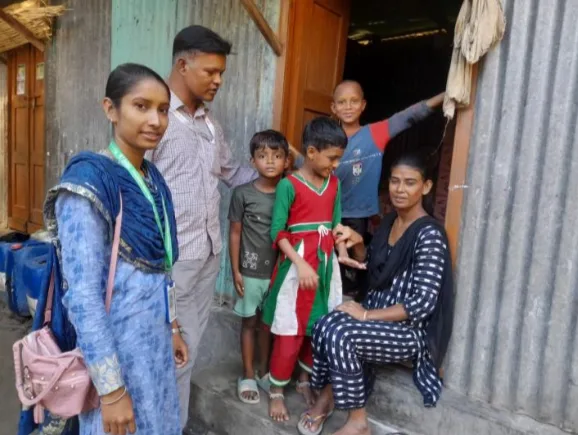
A mother and children standing in the doorway of their home

One of the greatest human rights crises of our time.

people affected by human trafficking worldwide (estimated), many of them children
50M
a year: the size of the trafficking industry, expected to surpass the drug trade in profitability
$150B
of women and children trapped in community brothels like Daulatdia
Generations

Southeast Asia is particularly vulnerable, with trafficking networks exploiting poverty, lack of protection and weak law enforcement. Despite the scale of the problem, justice for victims remains elusive: a trafficker is more likely to be struck by lightning than to be charged for their crimes.

Daulatdia, Bangladesh

What is a community brothel?

A community brothel is a large, often government-tolerated red-light district where multiple generations of women live and work in the sex trade. These brothels are not just places of exploitation but entire communities where women, many of whom were trafficked as children, are trapped in cycles of abuse, poverty, and systemic neglect. In places like Daulatdia, Bangladesh, one of the largest brothel districts in the world, thousands of women are forced into sex work, and their children grow up in an environment where exploitation is normalized.

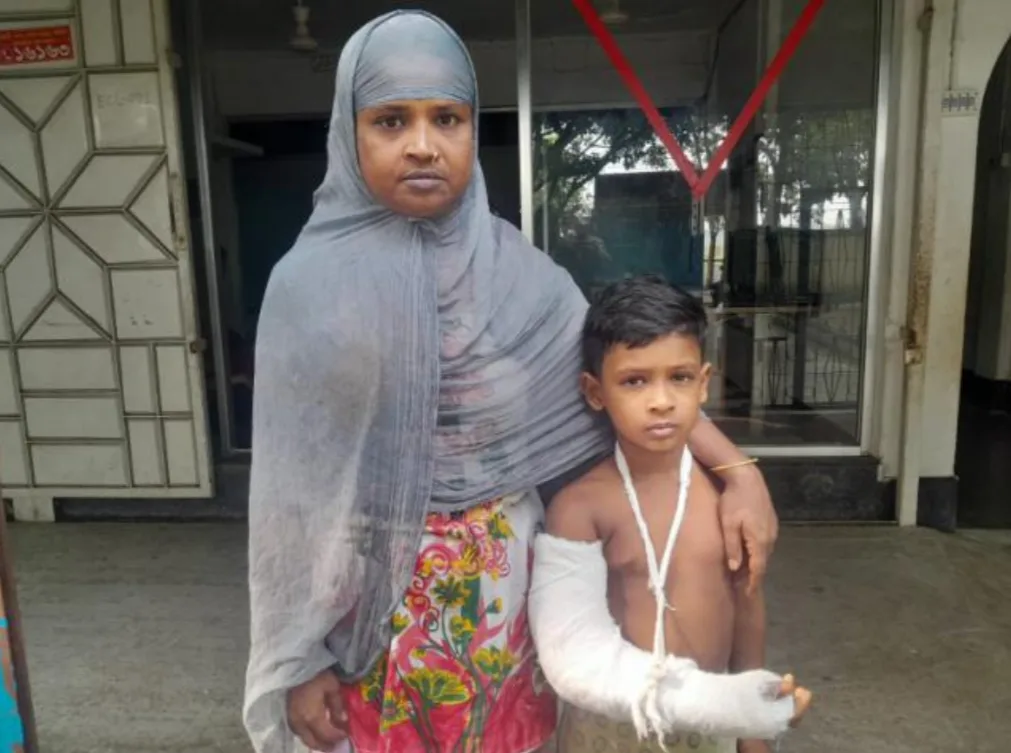
A mother in a headscarf standing with her young child

The cycle of exploitation

Six stages that repeat for generations.

Understanding how this cycle works is the first step to breaking it.

  1. Stage 1

    Vulnerability and targeting

    The cycle begins with vulnerability. Traffickers prey on individuals, most often women and children, who have few or no opportunities for survival. In Bangladesh, extreme poverty, gender inequality, lack of education, and family instability make people especially vulnerable. Many women in the brothel were sold by their families under the false promise of a job or marriage. For the children of sex workers, their birth itself is a risk factor.

  2. Stage 2

    Recruitment and entrapment

    Once a person is identified as vulnerable, traffickers use a variety of methods to trap them. Once inside the system, escape is nearly impossible: brothel owners, traffickers, and even corrupt officials control every aspect of the victim's life.

    • Deception: promises of jobs, education, or a better life that end in forced prostitution.
    • Abduction: some victims, especially children, are kidnapped.
    • Debt bondage: women are told they must "repay" an impossible debt.
    • Familial exploitation: families sometimes sell daughters out of financial desperation.
  3. Stage 3

    Exploitation and abuse

    Once trapped, victims are subjected to daily abuse, psychological manipulation, and brutal control tactics. Girls as young as 10 to 12 years old are forced into prostitution. Many women give birth in the brothel, and their children inherit the same fate.

  4. Stage 4

    Stigma and social rejection

    Even if a victim tries to leave, society makes escape nearly impossible. With no education, no employment, and no social acceptance, many women have no choice but to remain.

    • Schools and businesses refuse to accept children born in the brothel.
    • Society rejects sex workers, making legitimate jobs impossible to find.
    • Many survivors fear being arrested or re-trafficked if they attempt to leave.
  5. Stage 5

    Generational entrapment

    The most heartbreaking part of this cycle is that it perpetuates itself. Girls born in the brothel are often groomed from a young age to enter prostitution. Boys often become pimps, traffickers, or enforcers. Without education or intervention, these children have nowhere else to go.

  6. Stage 6

    Breaking the cycle

    The only way to end this cycle is through education, safe housing, legal advocacy, and economic alternatives. That is where Freedom Rising and its partners make a difference.

    • Education & child sponsorship keep children out of the cycle.
    • Rescue & rehabilitation: safe homes like the Meena Project.
    • Vocational training gives mothers alternative careers.
    • Social & legal advocacy fights stigma and changes laws.

Watch

Inside Daulatdia.

The children trapped in Bangladesh's brothel village
Watch on YouTube (opens in a new tab)
Inside Daulatdia, the world's largest brothel
Watch on YouTube (opens in a new tab)

Change is possible

How change happens.

Real, lasting change doesn't happen overnight. It starts with dedicated programs, collaboration and culturally appropriate solutions that address the root causes. And it spreads through the community, shifting mindsets and strengthening protections.

  • Education

    Traffickers thrive on ignorance and lack of opportunity. The House of Hope provides daily education for children who would otherwise be barred from schools, while the Meena Project offers full-time schooling for rescued girls.

  • Safety

    Without secure housing and protection, survivors often end up back in the system. The Meena Project provides safe housing for girls at high risk, and the House of Hope offers daily refuge.

  • Empowerment

    True freedom comes when people have the tools to stand on their own. Vocational training, mental health support and mentorship help survivors become self-sufficient and advocates for change.

The power of collaboration and cultural understanding

In places like Daulatdia, entire communities revolve around the brothel economy, making it nearly impossible to leave without intervention. By working with local leaders, community organizations, educators and faith-based groups, we create solutions that are effective, culturally appropriate and sustainable.

  • Partnerships that strengthen local programs rather than imposing outside solutions.
  • Community-led initiatives, so change is accepted and lasts.
  • Respect for cultural and religious contexts, to build trust and maximize impact.

Shifting public perception

A major reason trafficking persists is that it's often seen as inevitable. But change starts with awareness. When communities understand that:

  • Exploitation is not a choice but a trap.
  • Survivors deserve support, not stigma.
  • There are alternatives to the brothel system.

…they begin to demand better protections, advocate for education over exploitation, and work to prevent trafficking at its source.